
Screening & Diagnosis
Screening isn’t about looking for a problem; it’s about making sure you can prevent it or catch it early. When it comes to HPV, accurate information and testing at the right time can make a real difference to your health.
Why is screening important?
Screening plays a vital role in the early detection of changes caused by HPV infection, before they progress to severe lesions or forms of cancer. In many cases, HPV infection does not cause obvious symptoms, and a person may be infected without even knowing it. This is precisely why regular checkups and the tests recommended by your doctor are so important.
In the genital area, screening has already proven to be one of the most effective methods of prevention, as it can identify cellular changes early on, allowing them to be monitored or treated before they become dangerous. The World Health Organization emphasizes that many HPV-related cancers can be prevented through vaccination and regular screening, with early detection and timely intervention.
Diagnostic methods
Oral cavity (ENT)
In the oral cavity, diagnosis is not based on a standard, universal screening program, as is the case for cervical cancer. Currently, there is no approved routine test for detecting HPV in the oral cavity or throat, and medical organizations do not recommend universal oral screening for HPV.
However, this does not mean that the evaluation is unimportant. In practice, diagnosis in the oral cavity usually begins with a clinical ENT or dental examination, involving a careful inspection of the oral cavity, throat, and any lesions, inflammation, or persistent changes. If the doctor observes suspicious signs, further investigations may be recommended, such as collecting samples from the affected areas or performing a biopsy of a lesion.
In this area, the emphasis is strongly on monitoring symptoms and consulting a specialist when signs such as persistent throat discomfort, prolonged hoarseness, difficulty swallowing, oral lesions that do not heal, or other unusual changes appear.
Genital area (Pap smear, HPV DNA)
PAP TEST
The Pap test is a screening method used to identify cellular changes in the cervix. The test does not directly look for the virus, but rather checks for abnormal cells that could develop over time. The sample is collected in the doctor’s office by taking a sample of cells from the cervix, and the sample is then analyzed in a laboratory.
In most cases, the procedure is quick and takes only a few minutes. For many patients, it may be slightly uncomfortable. This test is extremely important because it can detect changes before they become a serious problem. If the result is unclear or abnormal, the doctor may recommend further tests, such as a colposcopy or biopsy.
HPV DNA TESTING
The HPV DNA test detects the presence of high-risk HPV types associated with cervical cancer. Unlike the Pap test, which examines cellular changes, this test directly looks for traces of the virus in cells collected from the cervix.
HPV testing is typically used in cervical screening in accordance with medical guidelines, particularly for certain age groups and depending on the patient’s medical history. A positive result does not automatically mean cancer; rather, it indicates the presence of a type of HPV that requires monitoring, evaluation in conjunction with other test results, and, in some cases, further investigation.
In many cases, your doctor may recommend co-testing - that is, combining the Pap test with the HPV test - for a more comprehensive evaluation. The choice of the appropriate method depends on your age, medical history, and your doctor’s recommendation.
The anal area (How is the test performed?)
In the anal region, screening and diagnosis are primarily aimed at individuals at high risk or those who exhibit symptoms or changes that require further investigation. Currently, evaluation strategies may include clinical examination, anal Pap test (anal cytology), anal HPV testing, digital rectal examination, and, if necessary, high-resolution anoscopy and biopsy.
HOW DOES THE TEST WORK?
Generally, testing begins with a clinical evaluation and, in some cases, with the collection of a cell sample from the anal area using a special swab. The procedure is similar in principle to cytological sampling from other areas: the sample is sent to a laboratory to check for abnormal cells or signs of infection with high-risk HPV strains.
If the results raise concerns, the doctor may recommend further tests. One such test is an anuscopy, an examination that allows for a closer look at the anal canal. If suspicious areas are identified, a biopsy may be taken to confirm the diagnosis.
It is important for patients to know that the exact course of testing varies from case to case. Not everyone needs all the tests, and the decision is based on symptoms, medical history, risk factors, and the specialist’s recommendation.
Who should get tested?
The answer depends on the area being tested, age, symptoms, and your doctor’s recommendations. For cervical screening, CDC guidelines indicate that women aged 21 to 29 typically undergo Pap tests at the recommended intervals, and for those aged 30 to 65, screening may include a Pap test, an HPV test, or both, depending on medical advice.
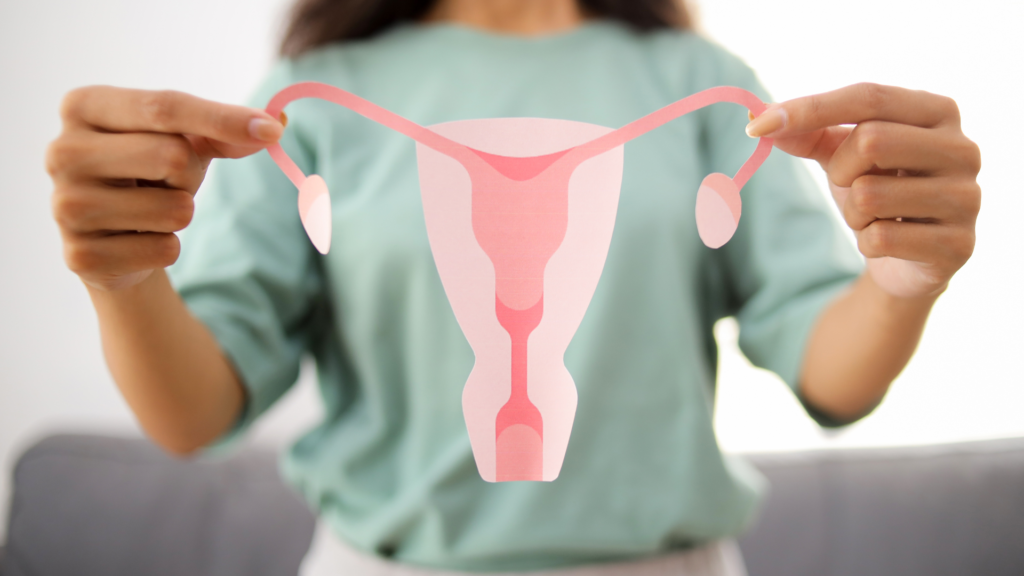
In addition to routine screening, they should talk to a doctor about testing and evaluation:
- sexually active individuals, especially if they have not had regular checkups
- women who have not undergone cervical screening as recommended
- people who have had abnormal results in the past
- people with persistent symptoms in the oral, genital, or anal area
- people with weakened immune systems or additional risk factors, including some people living with HIV, who may be at higher risk for HPV-related complications
For the oral and anal regions, assessment is not necessarily done through universal screening, but rather through targeted screening, depending on the clinical context. In other words, not everyone needs the same tests, but anyone with symptoms, concerns, or risk factors should seek the advice of a specialist.