
Prevention
Prevention starts with a simple step: stay informed, protect yourself, and don’t put off important checkups. When it comes to HPV, vaccination, protection, screening, and education can make a real difference in early detection and reducing long-term risks.
Vaccination
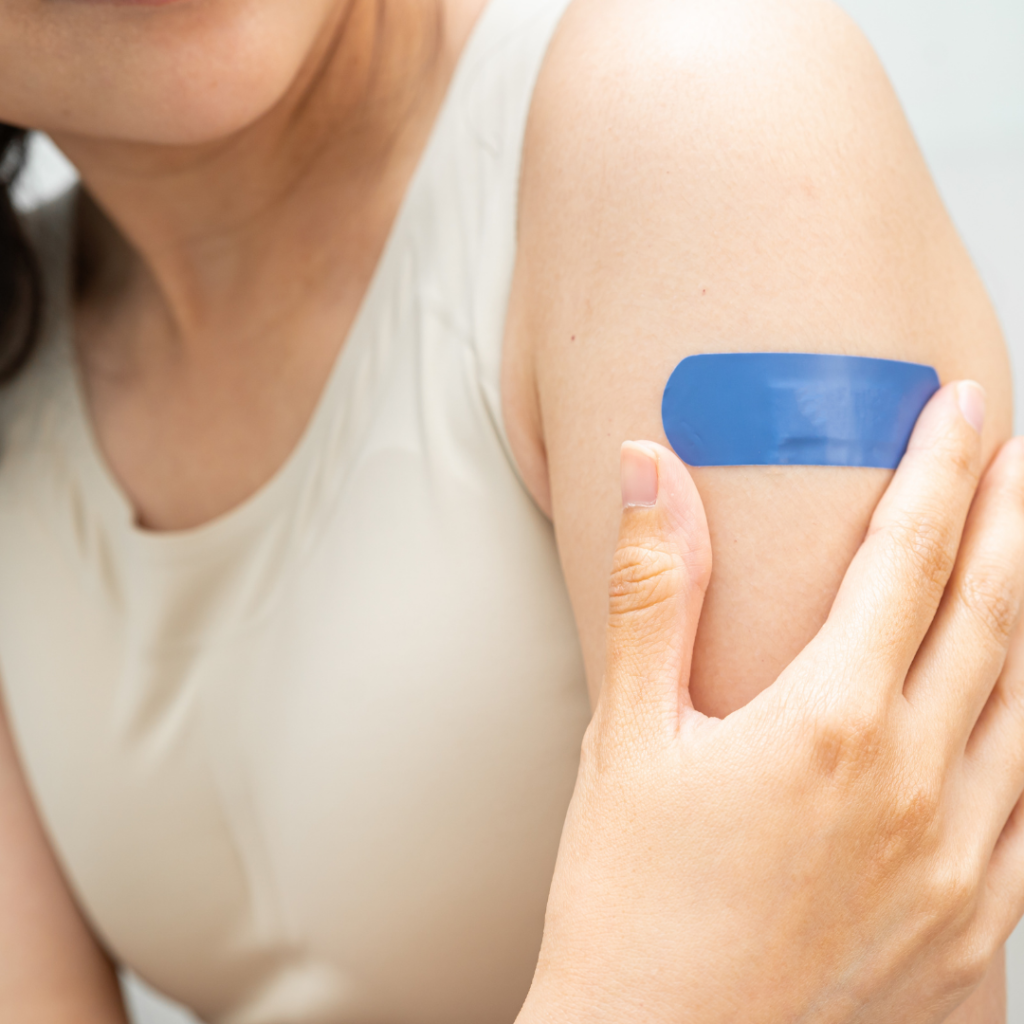
HPV vaccination is one of the most important methods of preventing infection with HPV strains. Vaccination can significantly reduce the risk of developing complications associated with certain high-risk strains, which is why it is considered an essential protective measure.
An important point is that the vaccine is not intended solely for girls, but also for boys. HPV does not affect only women’s health; it can also contribute to the development of certain conditions in men.
Vaccination is most effective when administered before exposure to the virus, but it can also be beneficial afterward, depending on age, medical history, and the specialist’s recommendation.
In the long term, vaccination is not only about individual protection but also makes a significant contribution to reducing the impact of HPV on the population. The more people who are properly informed and protected, the greater the chances of preventing diseases associated with this virus.
Condoms / Protection
Using a condom is an important protective measure and can reduce the risk of HPV transmission, but it is essential to understand that it does not provide complete protection. Unlike other infections, HPV is transmitted through direct skin-to-skin contact in intimate areas, including regions that are not always covered by a condom.
This means that protection should be viewed realistically: condoms help, but they do not completely eliminate the risk. That is precisely why effective prevention should not rely on a single measure, but on a combination of approaches: protection during sexual contact, vaccination, regular check-ups, and paying attention to any symptoms or unusual changes.
At the same time, the concept of protection also entails responsibility for one’s own health and that of one’s partner. Open communication, access to accurate information, and seeking medical advice when doubts or symptoms arise are all part of a healthy and mature approach to prevention.


Regular checkups
Regular checkups play a vital role in preventing complications associated with HPV infection. Because the virus can be present for a long time without any visible symptoms, the fact that a person feels well does not always mean there is no issue that needs to be monitored.
Especially in the case of genital HPV, regular check-ups and recommended tests can help detect cellular changes early, before they progress. For the oral and anal areas, check-ups are just as important, particularly when there are persistent symptoms, risk factors, or a medical recommendation for further investigation.
A timely checkup can make the difference between a problem detected at an early stage and one noticed too late. Often, it is precisely the absence of symptoms that leads to postponing a consultation, and this delay can unnecessarily complicate matters. Effective prevention means not just reacting when a problem arises, but checking in advance to make sure everything is okay.
Education and information
Accurate education and information are among the most powerful forms of prevention. There is still a lot of confusion, fear, and misinformation surrounding HPV, even though we are talking about a very common infection. For this very reason, it is essential that people have access to clear, accurate, and easy-to-understand information to help them make responsible decisions about their health.
Being informed means knowing what HPV is, how it is transmitted, what the real risks are, what prevention methods exist, and when it is important to see a doctor. It also means understanding that the infection can be asymptomatic, that it should not be associated with shame or stigma, and that prevention is a normal act of self-care, not a cause for fear.
Education also plays a key role in changing mindsets. When people openly discuss their health, when they have access to information campaigns and explanations tailored to their understanding, the likelihood of seeking vaccination, screening, and regular check-ups increases. True prevention always begins with a proper understanding of the issue.