

About HPV

HPV is a common infection that often has no symptoms, but can have serious consequences if it is not understood and detected in time. Through accurate information, prevention, and access to modern screening methods, the risks can be significantly reduced, and health can be protected more effectively.

What is HPV?

HPV (Human Papillomavirus) is one of the most common viral infections transmitted through intimate contact. There are many types of HPV, and most sexually active people come into contact with the virus at some point in their lives, often without realizing it, because the infection may not cause any noticeable symptoms.

Although in many cases the body clears the infection naturally, certain strains can persist and cause changes in cells. Some types are considered low-risk and can cause warts, while others are high-risk strains associated over time with the development of certain cancers. HPV is particularly implicated in cervical cancer, but also in anal, oropharyngeal, vaginal, vulvar, and penile cancers.

That is precisely why accurate information, prevention, and regular checkups are essential. The fact that HPV infection is common does not mean it should be ignored, but rather that it must be properly understood and monitored responsibly.

How is it transmitted?

HPV is primarily transmitted through intimate skin-to-skin contact, most commonly during vaginal, anal, or oral sex. The virus can be transmitted even when the infected person has no symptoms, no visible lesions, or is unaware that they are a carrier. This is one of the reasons why HPV is so widespread.

Transmission does not necessarily involve obvious symptoms and cannot always be linked to a specific point in time when the infection occurred. Sometimes, a person may not notice the effects of the infection until long after the initial exposure, making it difficult to pinpoint exactly when the virus was contracted.

It is also important to know that protective measures, such as condoms, can reduce the risk of transmission but do not eliminate it entirely, since HPV can also affect areas that are not covered. That is why true protection involves a combination of education, vaccination, regular checkups, and seeing a doctor when symptoms appear or concerns arise.

Types of HPV

Oral HPV

Oral HPV refers to an infection confined to the mouth and throat. It can be transmitted through oral sex and, in some cases, may be associated with the development of lesions or an increased risk of certain head and neck cancers, particularly oropharyngeal cancer.

One of the major challenges with oral HPV is that the infection can progress without clear symptoms for a long time. For this reason, symptoms such as persistent throat discomfort, prolonged hoarseness, difficulty swallowing, or the appearance of unusual lesions in the mouth should not be ignored but evaluated by a specialist.
Genital HPV

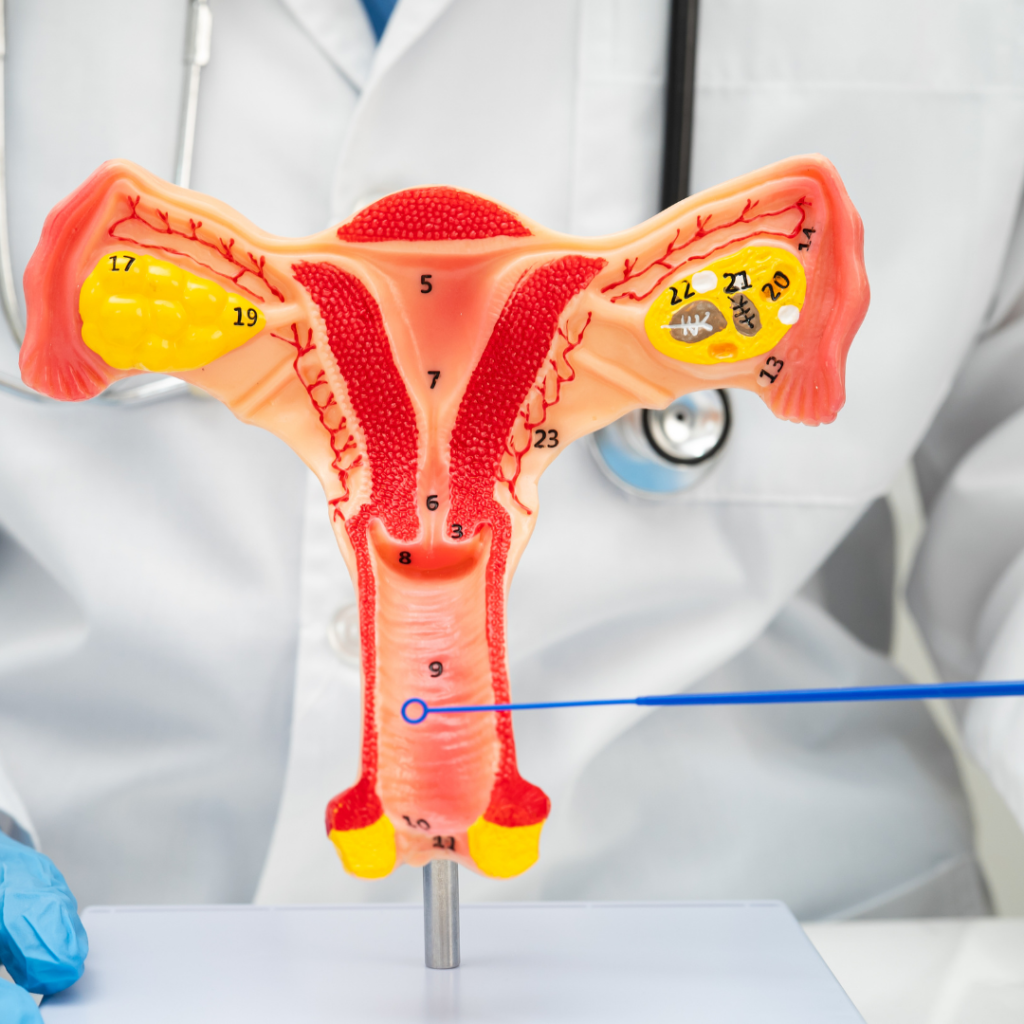
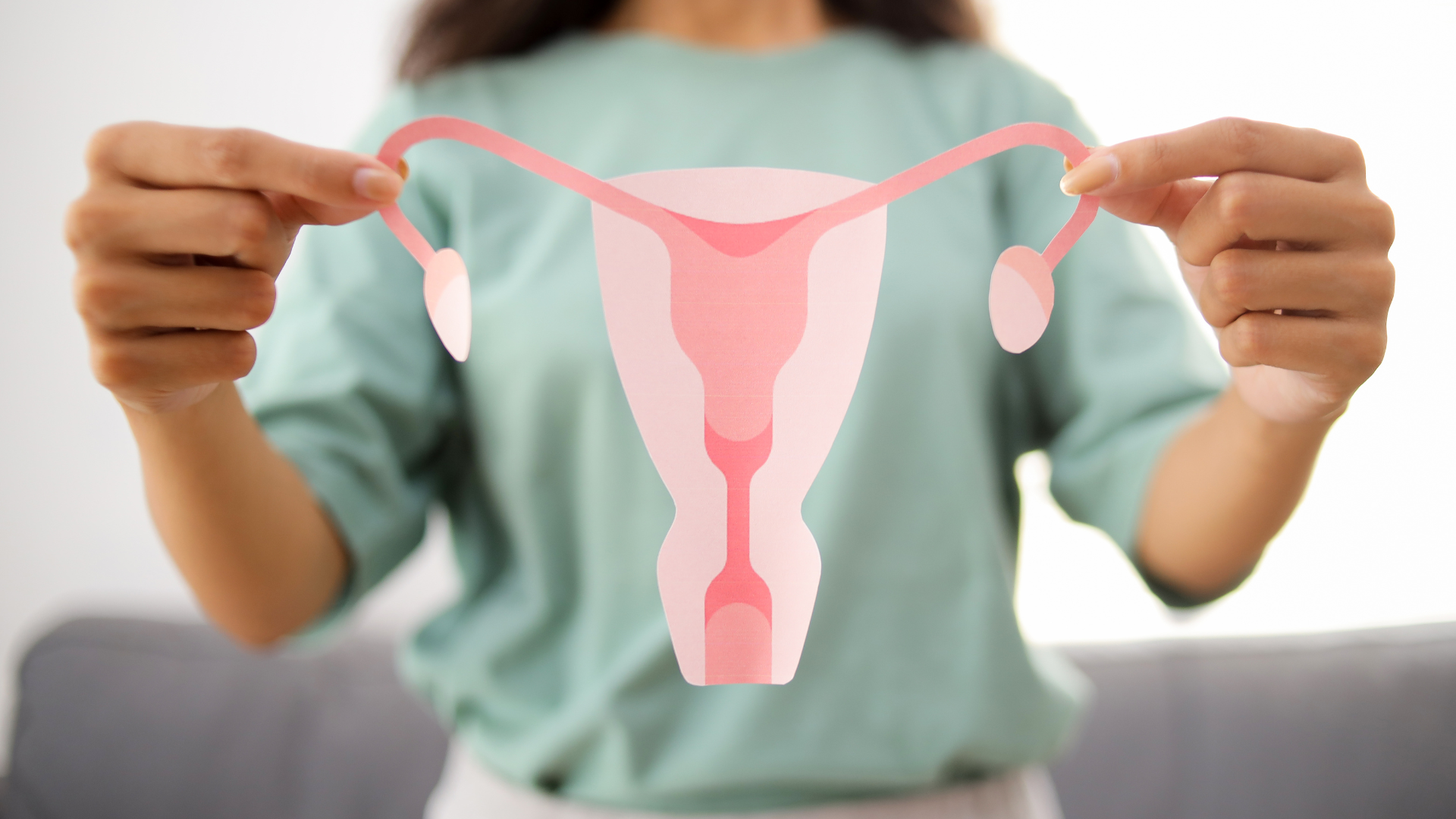
Genital HPV is the most well-known and common form of the infection. It can affect the cervix, vagina, vulva, penis, and other genital areas. Some strains can cause genital warts, while others are associated with cellular changes that, over time, can develop into cancer if not properly detected and monitored.

In women, genital HPV is best known for its link to cervical cancer, with nearly all cases associated with persistent infection with oncogenic strains. In men, certain types of HPV may be associated with penile cancer, and some strains can cause genital warts.

Anal HPV

Anal HPV affects the anal area and may be asymptomatic or cause local lesions. The infection is associated with an increased risk of anal cancer, especially when persistent oncogenic strains are involved.

As with other types of HPV, transmission can occur through sexual contact, and the absence of symptoms does not rule out the presence of infection. Therefore, awareness is essential, especially for people who are in high-risk groups or who have persistent symptoms that require medical evaluation.

Download our app!

Download the app for free and schedule a consultation!